

Water Meter Installation: What Property Owners Need to Know
Utility costs are one of the largest controllable expenses on a multifamily or commercial property. When water is included in rent or a flat rate, tenants have little reason to conserve it and property owners absorb whatever the bill comes to. Submeter installation changes that dynamic entirely.
A properly installed water meter system gives every unit its own account of what it uses. Billing becomes accurate, waste drops, and disputes become rare because the data is there. Getting to that point starts with hiring the right team and understanding what a professional installation actually involves.
What Is Water Meter Installation?
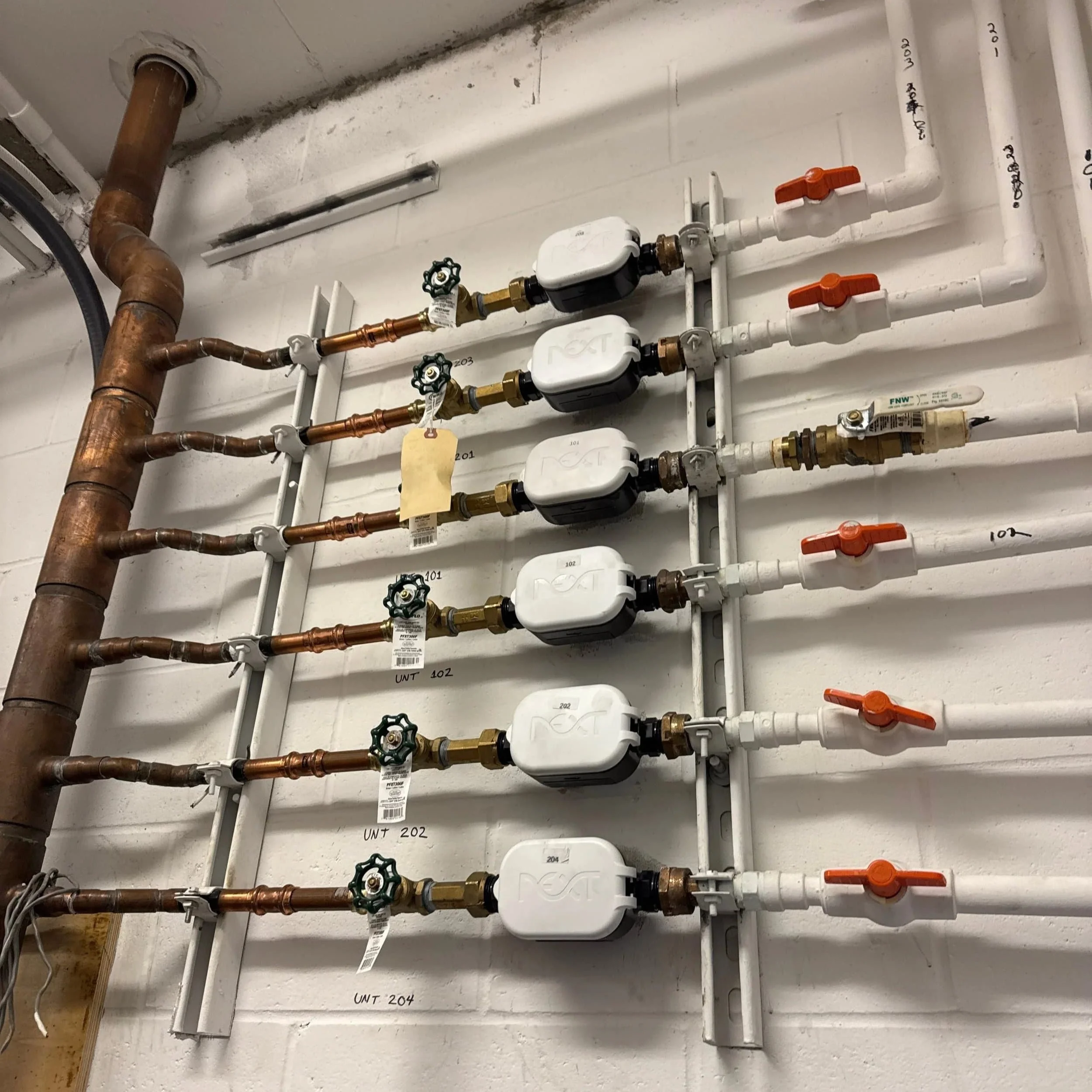
Water meter installation is the process of fitting individual meters at each unit or point of consumption within a property, connecting them to a data collection network, and configuring the system to deliver accurate, real-time usage data. For most multifamily and commercial properties, this means a submeter installation where each unit gets its own meter that sits downstream of the master meter serving the building.
The result is a property-wide system where every drop of water is accounted for at the unit level. Owners can bill tenants accurately, identify leaks before they compound, and make smarter decisions about water usage across the property.
Why Properties Install Water Submeters
The business case is straightforward. According to the U.S. Environmental Protection Agency, properties that shift from flat-rate water billing to individual metering see average consumption reductions of 15 to 39 percent. That reduction comes almost entirely from behavior change: when tenants pay for what they use, they use less.
Beyond conservation, submetering protects property owners from absorbing costs they shouldn't. Without individual meters, a leak in one unit gets spread across the entire property's water bill. With submeters, it shows up in that unit's usage data and gets flagged before it runs for weeks undetected.
For any property absorbing utility costs it shouldn't, submetering is the most direct fix available.
What the Installation Process Looks Like
A professional submeter installation follows a structured sequence. Here's how Integrity Meter Solutions handles it from start to finish:
1. Site Survey
Before any equipment is ordered, a site survey [https://www.integritymetersolutions.com/site-surveys] determines the right system for your property. The survey covers pipe sizes, plumbing configuration, access points, existing infrastructure, and any building-specific factors that affect meter selection and placement. Getting this step right prevents costly mistakes later. The wrong meter for a pipe size or flow rate produces inaccurate readings from day one.
2. System and Meter Selection
Based on the site survey, the right meter type and communication technology are selected. For most multifamily and commercial applications, this means choosing between mechanical and ultrasonic water meters, and selecting an automated meter reading (AMR) system that fits your property's layout and monitoring needs. Wireless systems are the standard for new installations, eliminating the need for manual reads and reducing the margin for human error.
3. Installation
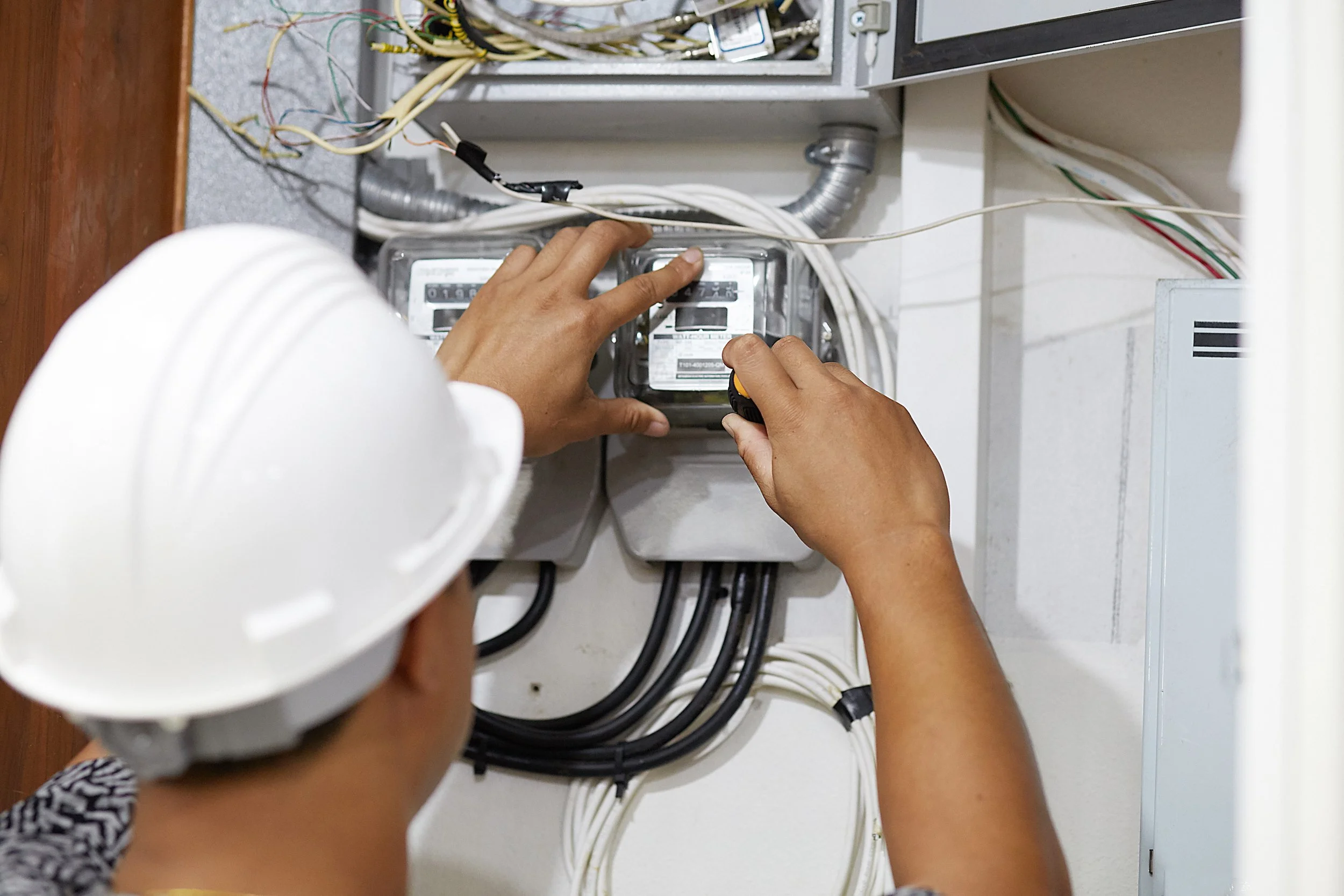
Certified technicians handle every aspect of the physical installation to manufacturer specifications. Fitting, sealing, mounting, and verifying each unit is not a process that tolerates shortcuts. A single poorly sealed connection or misconfigured transmitter creates billing problems that are difficult to trace after the fact. At Integrity Meter Solutions, every installation is performed by NextCentury Certified Installers with experience across all major manufacturers and AMR systems.
4. Programming and System Configuration
Once meters are physically installed, the AMR network is configured by the installation team. Each meter is registered to its unit, communication with the gateway is verified, and the monitoring platform is set up to deliver usage data in the format your team needs. Our programming and assembly service ensures the system is fully operational before we leave the site, not handed off as a work in progress.
5. Testing and Handoff
Every meter is tested before the installation is considered complete. Flow is verified, data transmission is confirmed, and any anomalies are addressed on site. You receive a clear report of what was installed, how the system is configured, and what to monitor going forward.
Water Meter Installation for Apartment Communities
Apartment communities are the most common application for submeter installation, and for good reason. A 100-unit apartment building with water included in rent is essentially funding an open tab for every tenant. Submetering closes that tab.
The installation process in multifamily buildings requires coordination with tenants for access to individual units. A professional installation team manages that process: scheduling access, working efficiently to minimize disruption, and handling the variation in plumbing configurations that older apartment buildings often present.
For garden-style apartments, our team installs meters at each unit's incoming water line. For mid-rise and high-rise buildings, riser configurations may require a different approach, which is exactly the kind of detail our site survey resolves before any equipment is ordered.
Water Meter Installation for Commercial Properties

Commercial properties have more varied installation requirements than residential ones. Office buildings, retail centers, and mixed-use developments may need meters at the tenant level, the floor level, or both depending on lease structure and utility billing agreements.
Hotels are a particularly strong use case. A 100-room hotel with water included in operations has no visibility into which rooms or systems are consuming the most. Submetering at the room or zone level surfaces that data, making it possible to identify leaks in specific rooms, flag unusual overnight usage, and build a clear picture of where water is going across the property. According to a Pacific Institute study on water efficiency in lodging, hotels that implement water efficiency measures including submetering can reduce consumption by 15 to 20 percent or more.
Our team works with properties of all configurations, from single-story retail to multi-story mixed-use, and the site survey process is designed to account for that complexity upfront.
What We Install
Integrity Meter Solutions installs a full range of submetering equipment through our exclusive partner network:
Water meters, both mechanical multi-jet and ultrasonic, sized for residential and commercial applications
Electric submeters for properties that need utility billing across both water and electricity
Wireless AMR systems including NextCentury gateways and transmitters for real-time data collection
Ultrasonic meter systems for properties prioritizing long-term accuracy and minimal maintenance
Leak detection sensors installed alongside meters for properties that want active monitoring between billing cycles
Whether you're starting from scratch or upgrading an existing system, our technicians handle the full installation to manufacturer specifications and test everything before leaving the site. Not sure which system fits your property? That's what the site survey is for.
Retrofitting vs. New Construction
Retrofit installations require working within the existing plumbing infrastructure, which means accounting for pipe age, access constraints, and any building-specific factors that affect meter placement. Older properties sometimes require minor plumbing modifications to accommodate modern meter sizing. A thorough site survey conducted by your installation team identifies these requirements upfront so the project runs cleanly from day one.
New construction installations are more straightforward. Meters are specified during the design phase and installed as part of the rough plumbing, which reduces labor costs and eliminates the access challenges that come with retrofit work. If you're involved in a new development project, the time to plan submetering is before the walls go up.
Choosing the Right Installation Partner
Submeter installation is not a commodity service. The quality of the installation determines the accuracy of every reading that follows it, which means it directly affects every billing cycle for the life of the system. The wrong meter, a poorly sealed connection, or a misconfigured AMR network creates billing and accuracy problems that compound over time and are rarely cheap to fix after the fact.
When evaluating installation partners, look for:
Certified technicians with experience across multiple manufacturers and AMR platforms
A structured site survey process before any equipment is recommended or ordered
Full installation to manufacturer specifications with on-site testing before handoff
Ongoing maintenance and support capability so you're not left managing the system alone after installation
Integrity Meter Solutions carries NextCentury Certified Installer credentials and has extensive experience across all major submeter manufacturers and AMR systems. We serve apartment communities, commercial properties, HOAs, and hotels across the country. Every installation is backed by our submeter maintenance service so the system keeps performing long after the installation team leaves.
Frequently Asked Questions
How long does water meter installation take?
Timeline depends on property size and complexity. A straightforward retrofit installation on a 50-unit apartment building typically takes one to two days. Larger properties or those with more complex plumbing configurations take longer. Your installation team will give you an accurate timeline following the site survey before any work begins.
Do tenants need to be home during installation?
For installations that require access to individual units, yes. A professional installation team coordinates access scheduling with your property management team to minimize disruption. Common-area and riser installations can typically be completed without unit access.
What is the difference between a water meter and a submeter?
A master water meter is the main meter installed by the utility company that measures total water consumption for the entire property. A submeter is installed downstream of the master meter to measure consumption at the individual unit or zone level. Submeters allow property owners to bill tenants for their individual usage rather than splitting the master meter bill.
Can submeters be installed in older buildings?
Yes, in most cases. Older buildings sometimes require minor plumbing modifications depending on pipe size and configuration, but retrofit submeter installation is a routine process for experienced technicians. Our site survey identifies any building-specific requirements before installation begins.
What happens after the meters are installed?
Once installation is complete and tested, the system is handed off with full documentation. From there, your AMR platform delivers ongoing usage data for billing and monitoring. We recommend scheduling routine submeter maintenance to keep the system reading accurately over time.
Do you install both water and electric submeters?
Yes. Integrity Meter Solutions installs water meters, electric submeters, and combined utility metering systems for properties that need visibility into both. Our team handles the full installation across both meter types, coordinated through a single project.
Ready to get your property metered? Schedule a submeter installation or start with a site survey and we'll build a plan that fits your property and your budget.